Professional Rome top Patio Builder creating functional and stylish outdoor spaces
Professional Rome top Patio Builder creating functional and stylish outdoor spaces
Blog Article
Why Choose a Experienced Patio Contractor for Your Dream Outdoor Environment?
Choosing a professional outdoor builder can significantly affect the end product of an outdoor area. Their competence guarantees that planning, execution, and compliance requirements are all skillfully handled. These specialists not only oversee demanding projects but also select sturdy materials appropriate to the environment. As the planning moves forward, homeowners often ponder how these decisions will boost their outdoor living enjoyment and home's overall value. The results may impress them as they review their choices.
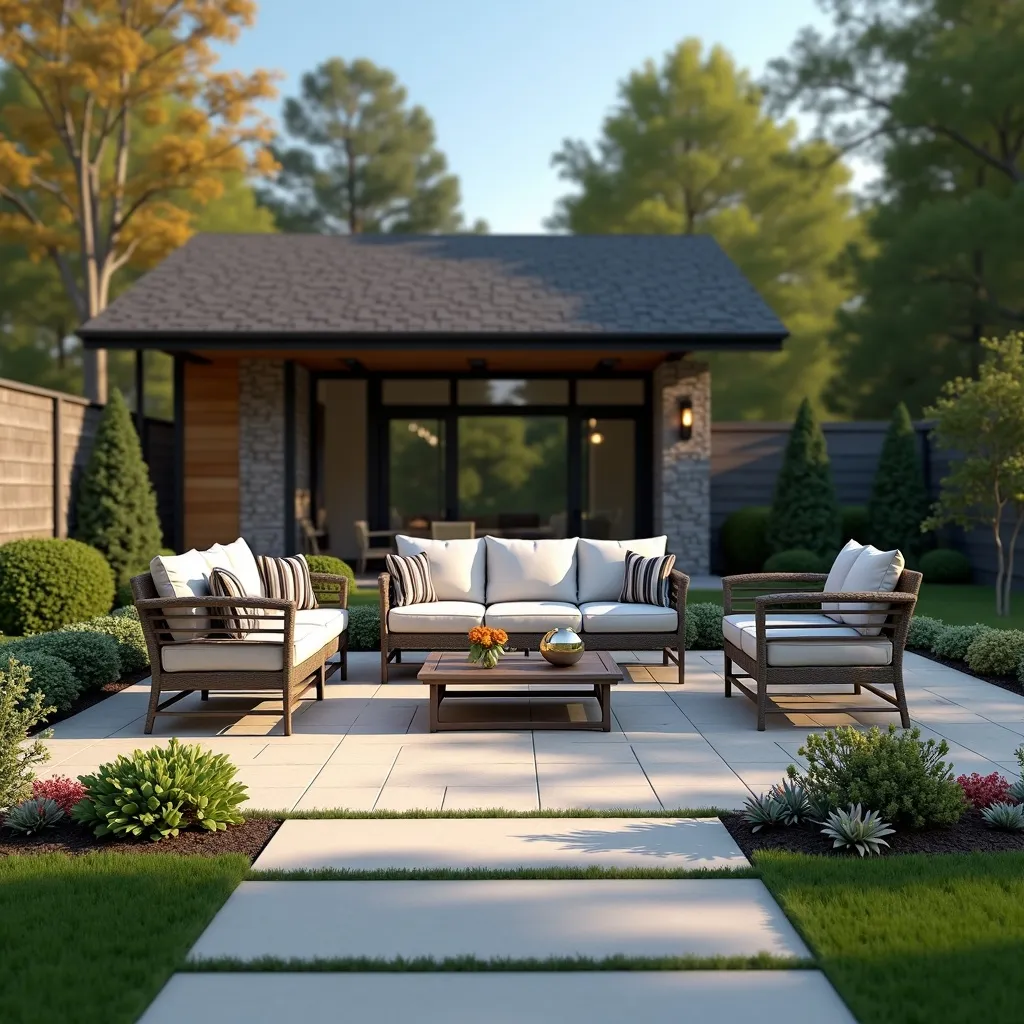
The Expertise of Professional Patio Builders
Skilled patio builders supply considerable expertise that transforms outdoor spaces into appealing and functional areas. Their thorough expertise and experience allow them to assess site conditions, suggest fitting materials, and create plans that enhance existing landscapes.
By possessing expertise with local building codes and regulations, they guarantee compliance and safety in every project.
Furthermore, qualified builders are equipped with the right equipment and techniques to implement intricate layouts adeptly. They recognize the nuances of moisture management, earth strength, and environmental factors, which are important for the enduring quality of a patio.
Their precise focus to detail and craftsmanship delivers a finished product that improves property value and usability. By working with clients, these specialists can adapt solutions that satisfy specific needs and preferences, ultimately providing a tailored outdoor experience.
Hiring a professional patio builder important resource promises a smooth execution from concept to completion, supported by superior craftsmanship and trustworthy support.
How to Frame Your Imagined Patio Arrangement
How can someone effectively establish their ideal patio design? First, people should examine their way of living and how they'll use the space. A family-focused design may include designated areas for youngsters to play, while an interactive space might stress comfortable seating and leisure features.
Next, evaluating the current surroundings is essential; the patio should enhance the home and surrounding environment.
Materials are important in design, and choosing options that fit personal taste and durability is necessary. One should also reflect on aesthetics, contemplating colors, textures, and patterns that will develop a cohesive look.
Eventually, it's sensible to gather creative direction from varied sources, such as home improvement websites or social media platforms. By assembling images and ideas, individuals can create a vision board that plainly communicates their preferred vision, enabling a more successful collaboration with a professional patio builder.
What You Should Learn About Local Regulations?
Following local regulations is essential when preparing for a patio undertaking. Homeowners must grasp zoning laws, which establish where features can be developed on their grounds. These regulations change notably by location and can shape the size, height, and placement of a patio.
Building permits may be required, and the application process can involve submitting detailed plans for approval.
In addition, property owners should understand setback requirements, which determine the spacing a patio must have from property lines or current buildings. Local construction standards also manage safety requirements, guaranteeing the patio is built to withstand environmental factors.
Not complying to these rules can lead to fines or the requirement to remove the patio. Hiring a professional patio contractor can streamline this process, as they are knowledgeable in regional laws and can ensure that the work adheres to all required guidelines.
Selecting Sturdy and Appealing Substances
When choosing products for a patio, durability and aesthetic appeal are critical considerations.
Property owners should evaluate not only the lifespan and care demands of different materials but also how they contribute to the overall aesthetic.
Additionally, cost-saving options can elevate both performance and visual appeal while staying within spending limits.
Material Lifespan and Maintenance
Deciding on the suitable options for a patio elevates its visual charm while also affecting its longevity and upkeep ease. long-lasting options, such as natural stone, concrete, or high-quality pavers, endure multiple weather conditions, reducing maintenance frequency.
Also, picking materials that resist stains, mold, and fading can substantially lower constant upkeep demands. For example, sealed concrete can deliver a long-lasting finish with minimal upkeep, while certain artificial products can mimic wood without the peril of decomposition.
In the long run, investing money in resilient materials can result in major cost savings over time, as they support a patio that remains functional and appealing for years to come, limiting the need for replacements or comprehensive maintenance.
Aesthetic Attraction and Design
How can a patio's layout harmonize with its surroundings while preserving longevity? Selecting the right components is essential for achieving both aesthetic appeal and structural soundness.
Professional patio contractors often suggest natural stones like granite or slate, which not only enhance diverse landscapes but also endure severe climate exposure. Additionally, synthetic decking options offer an appealing, minimal upkeep option that replicates the appearance of wood without the vulnerability to decay.
Color palettes and finishes must match the home's architecture and the local setting, producing a cohesive look. Incorporating patterns or special accents can elevate the overall appeal, ensuring the patio functions as a highlight.
Ultimately, a skillfully designed patio enriches outdoor living while proving durable over time.
Cost-Economical Material Options
While addressing financial concerns and decorative preferences, homeowners reap rewards by looking into a range of cost-effective materials for their patios.
Options such as concrete stamping and pavers offer strength and visual appeal without breaking the bank. Stamped concrete can replicate stone finishes or tile, offering a fashionable appearance at a reduced price.
Pavers, offered in multiple colors and shapes, enable creative designs and simple maintenance. Furthermore, composite materials delivers an easy-care option to traditional wood, resisting rot and color loss over time.
Conserving Time and Reducing Anxiety With Professional Support
Engaging a professional patio builder can considerably simplify the construction process, reducing the burdens typically associated with home improvement projects. By tapping into their experience, homeowners can circumvent the common pitfalls of DIY endeavors, such as miscalculations or delays.
Professional builders come equipped with the necessary skills, tools, and knowledge to execute the project efficiently, guaranteeing a punctual finish.
Additionally, these specialists handle all logistical aspects, encompassing permits, inspections, and scheduling, which can be challenging for an unqualified person. This management considerably diminishes pressure, allowing homeowners to focus on other responsibilities.
Furthermore, with a skilled professional in charge, possible conflicts with subcontractors or providers are lessened, further enhancing the experience.
In the end, enlisting a professional patio builder not only minimizes time expenditure but also ensures peace of mind, converting the patio vision into reality without the connected burden of do-it-yourself projects.
Maximize Your Home's Value With a Custom Patio
A personal patio not only boosts outdoor aesthetics but also significantly improves a home's overall worth. Potential buyers usually look for properties with practical outdoor spaces, and a thoughtfully created patio is a key selling point. By including quality materials and unique design elements, homeowners can create an inviting atmosphere that draws a broad range of buyers.
Additionally, a personalized patio area can widen the usable living area, making it wonderful for greeting guests or experiencing serene nights outdoors. This extra square footage notably expands the home's square footage, which can be a significant element in real estate valuations.
Enlisting a experienced patio specialist confirms that the project achieves high standards of craftsmanship and durability, further enhancing the patio's aesthetic value.
In essence, a consciously planned patio not only enriches daily routines but also represents a smart investment choice that can return significant monetary returns when the home is sold.
Guidelines for Maintaining Your New Patio
Upkeeping a new patio is essential for safeguarding its appearance and longevity.
Establishing a consistent cleaning routine and implementing seasonal upkeep suggestions can help ensure it remains in perfect shape.
Follow a Consistent Sanitation Schedule
Developing a regular cleaning schedule is crucial for maintaining the splendor and lasting value of a new patio. Routine maintenance helps remove dirt, leaves, and debris that can pile up with time, potentially leading to stains or damage.
A routine weekly check enables homeowners to address minor issues before they worsen. This includes sweeping away loose particles and washing the area to avoid grime buildup.
For more detailed cleaning, a heavy-duty scrubbing every few months is suggested, using fitting cleaning agents suited to the patio material.
Additionally, applying sealants periodically can shield from weathering and stains. By maintaining a consistent cleaning routine, homeowners can guarantee their outdoor space remains inviting and functional for years to come.
Seasonal Care Recommendations
Although patios provide a stunning outdoor space, regular upkeep is crucial for guaranteeing their longevity and aesthetics. Homeowners should start by examining the patio for damage or wear, addressing issues quickly to prevent further deterioration.
Starting in spring, a detailed cleaning, with power washing, expels dirt and debris, and sealing surfaces block moisture damage. Over summer, consistent sweeping and spot cleaning sustain the space inviting.
When autumn arrives, clearing fallen leaves is important to prevent mold and mildew accumulation. Winter maintenance includes clearing snow and ice to prevent deterioration from freeze-thaw processes.
Frequently Asked Questions
How much time Does It Typically Take to Construct a Patio?
Typically, building a patio requires several days to two weeks, depending on elements like size, materials, and site conditions. Climate and project intricacy can also influence the schedule significantly.
What Protection Do Licensed Building Professionals Give on Their Craftsmanship?
Professional construction professionals typically extend coverage plans spanning one to five years, protecting workmanship and materials. These warranties provide homeowners with reassurance, making sure that any issues originating from the construction will be corrected promptly.
May I Adjust My Patio Design While Construction Is in Progress?
Yes, a homeowner can personalize their patio design during construction. Professional builders typically collaborate closely with clients, allowing modifications to layouts, materials, and features to guarantee the final product meets the homeowner's vision and needs.
What should I manage if I possessed a limited Budget?
To control a constrained budget, one should focus on essential features, investigate affordable materials, and plan phased development. Working with a professional can also offer guidance on boosting value while adhering to financial constraints.
Are there seasonal considerations for patio construction?
When planning patio work, consider seasonal elements like weather conditions, material supply, and temperature fluctuations. Spring and early fall provide the best timing for setup, whereas summer heat and winter frost may obstruct progress and damage material integrity.
Report this page